






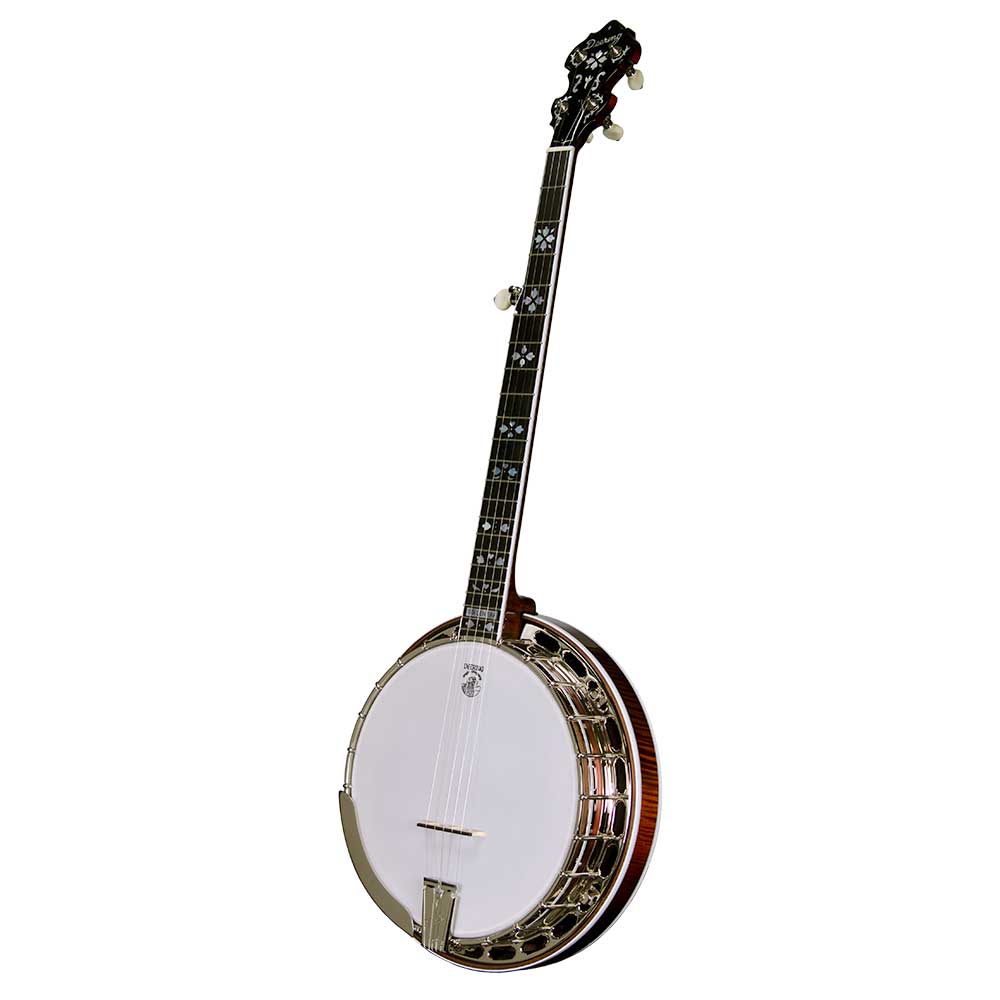
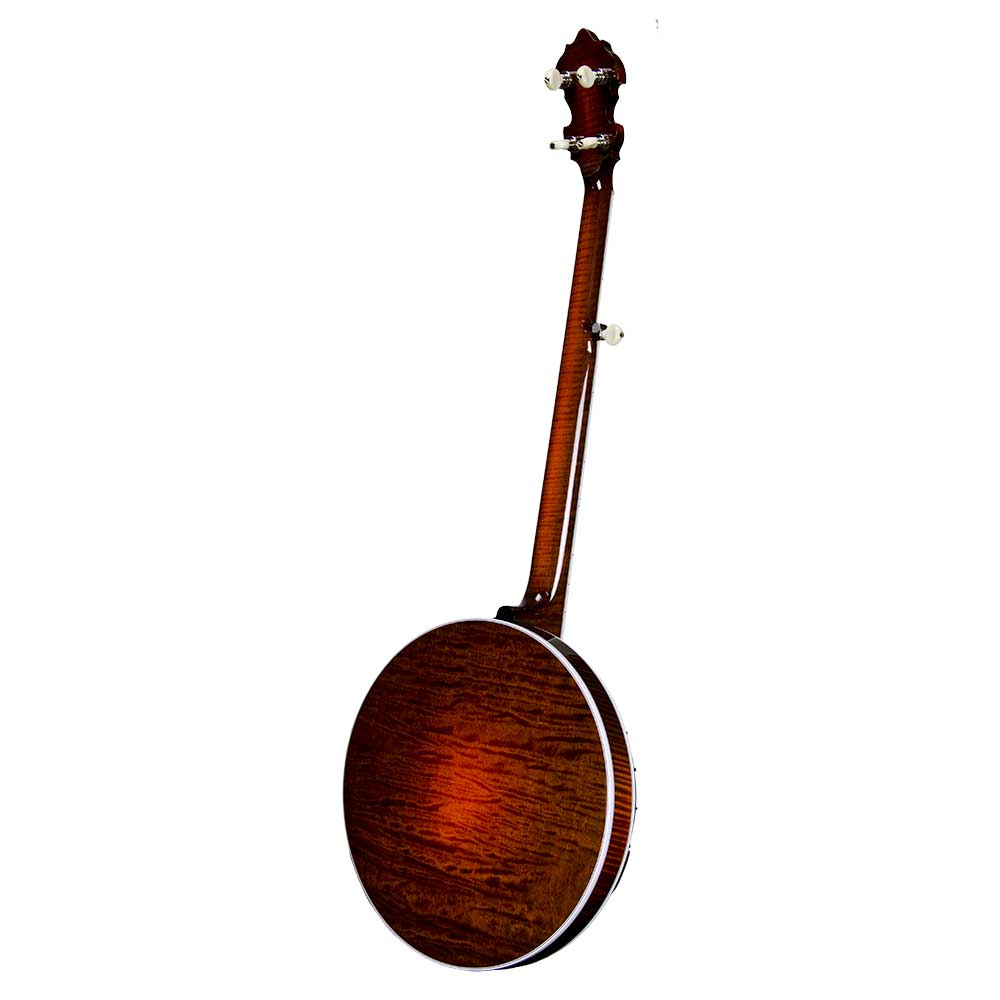

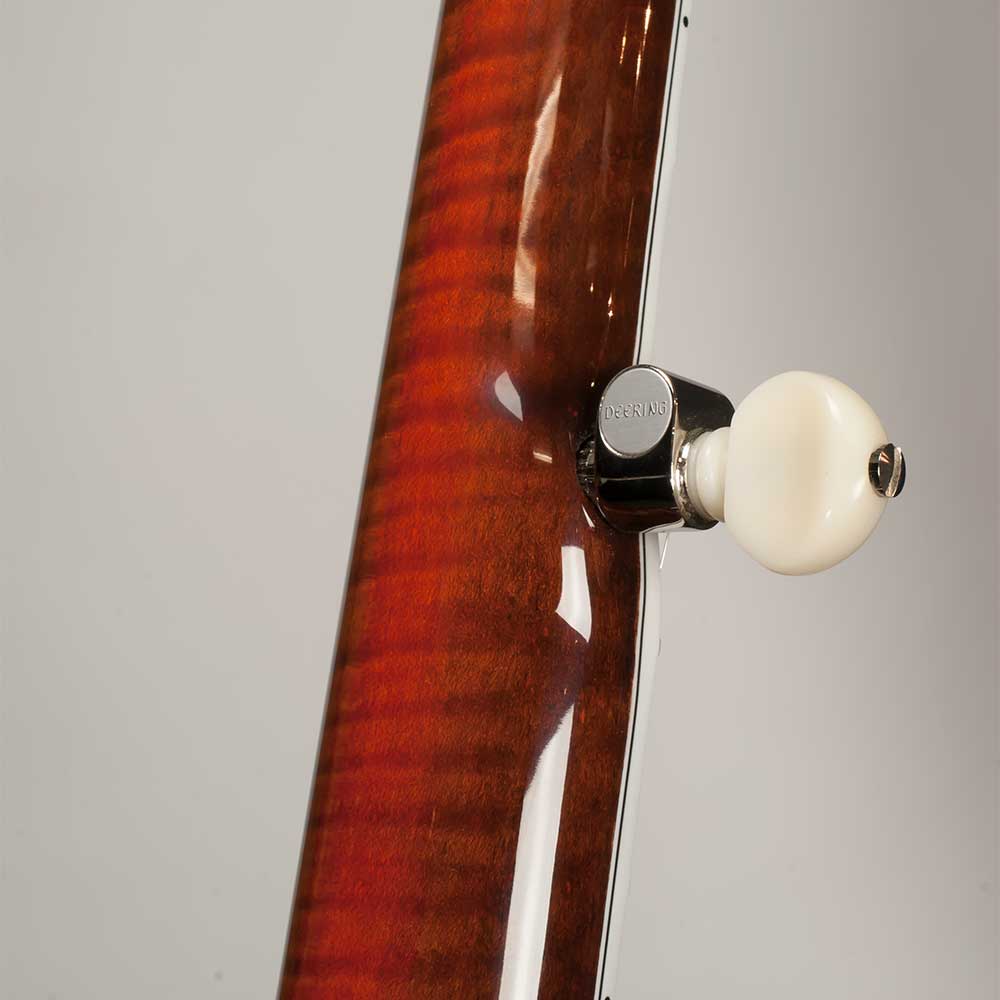
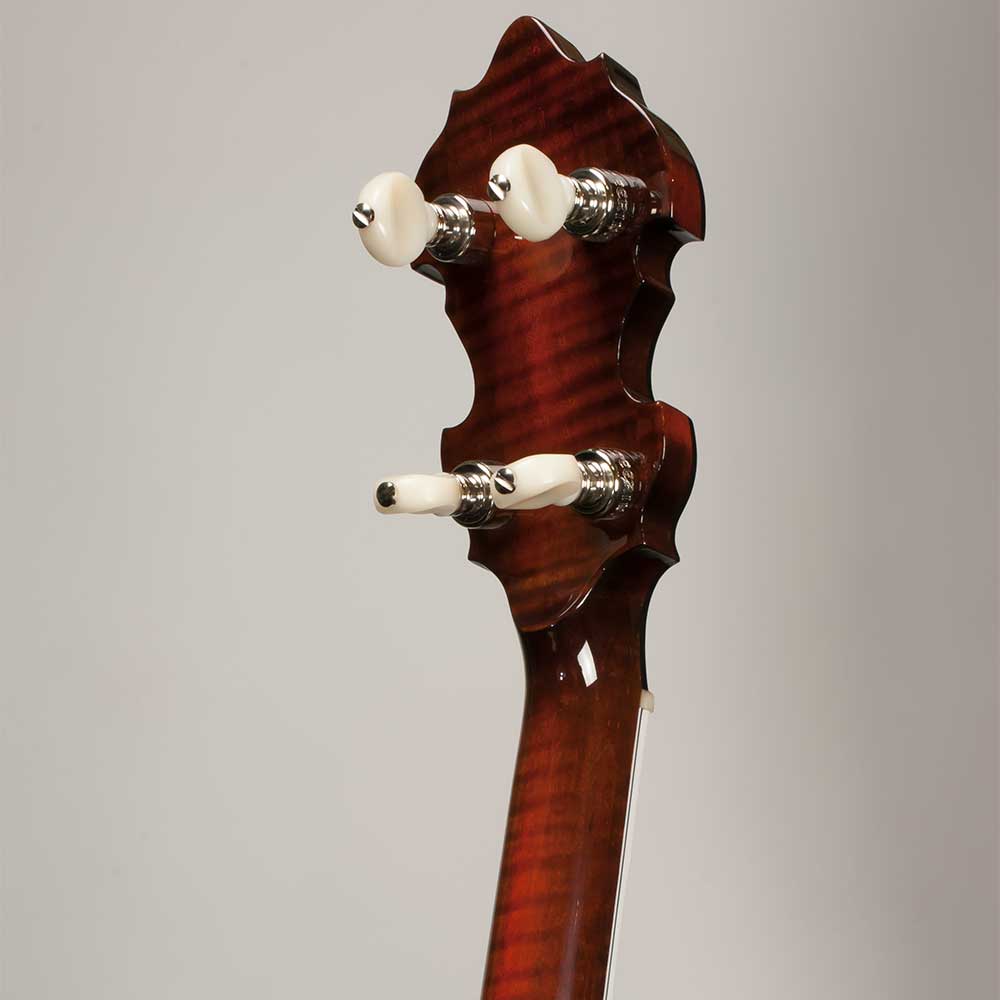








A maple, prewar style bluegrass banjo made like the classic banjos of the 1930's with the same materials and the same weight, design and features, the Golden Era is one of our most popular banjos for traditional bluegrass bands. If you're looking for that classic bluegrass banjo tone and look - this is the banjo for you.
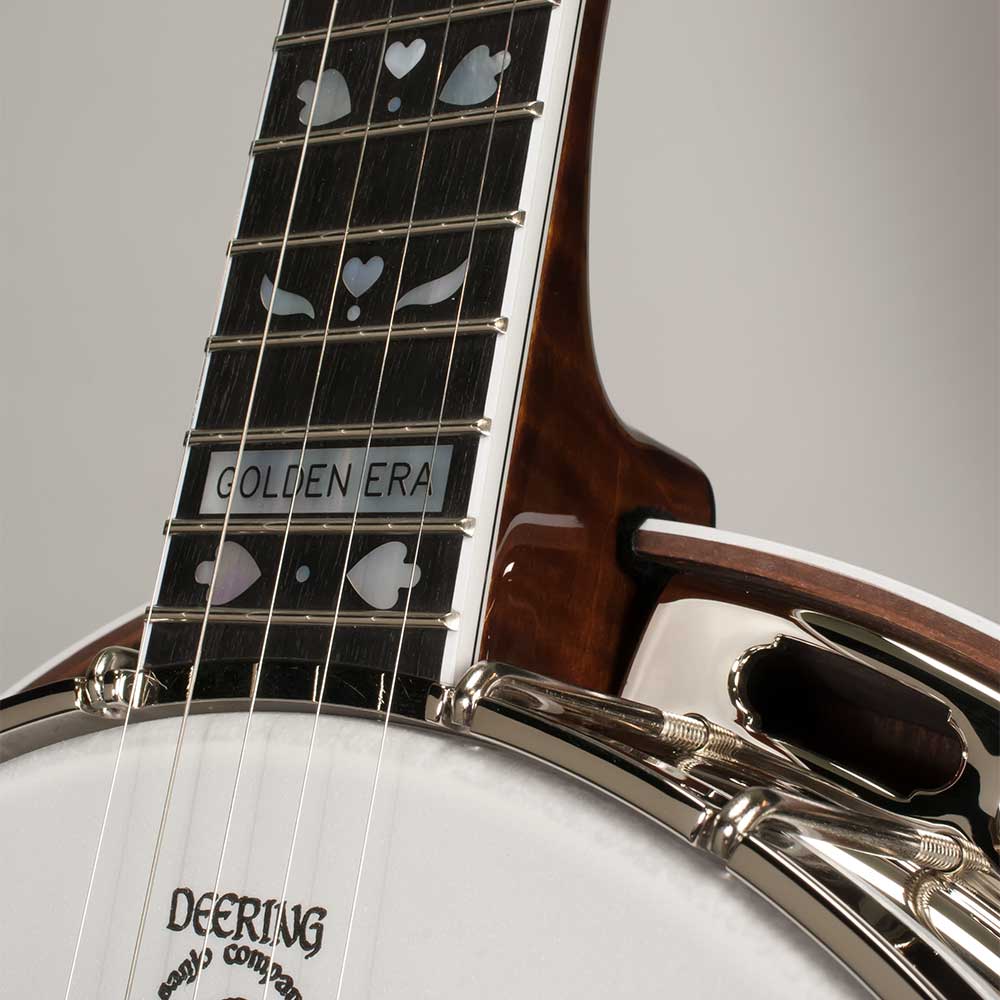
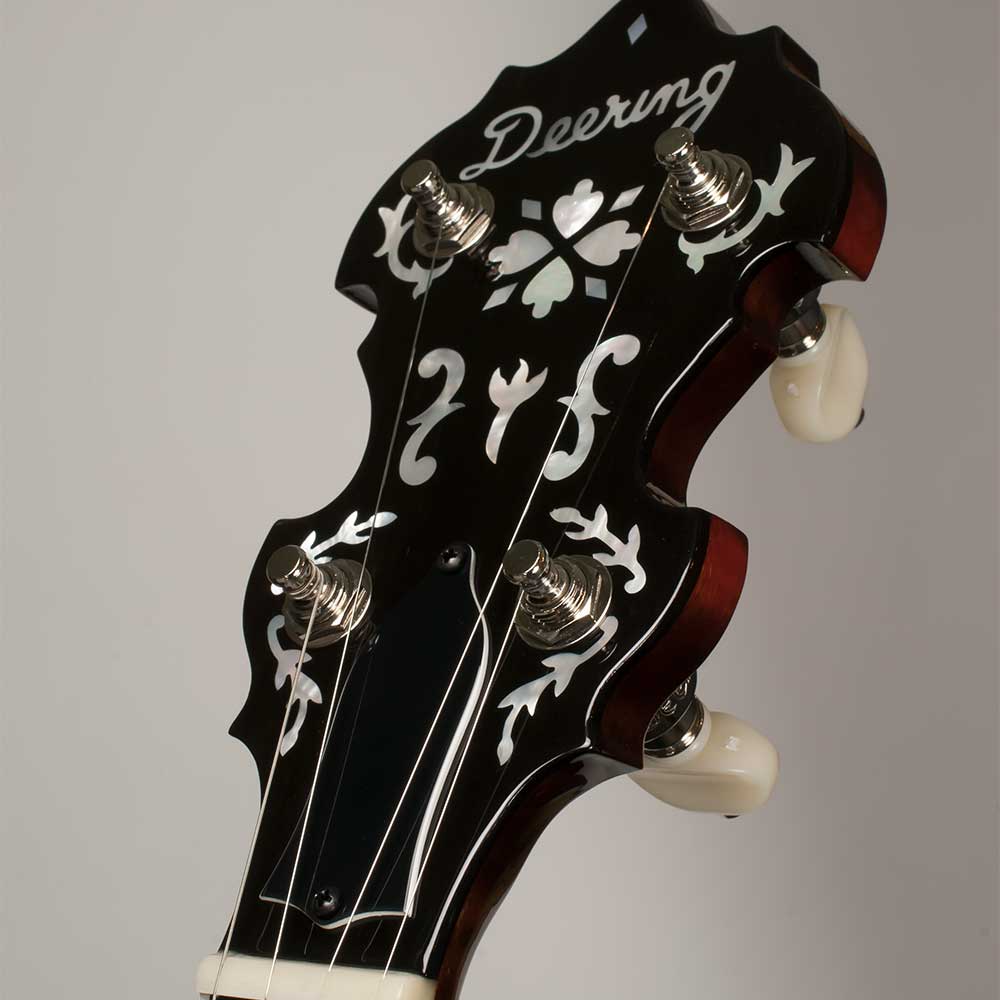
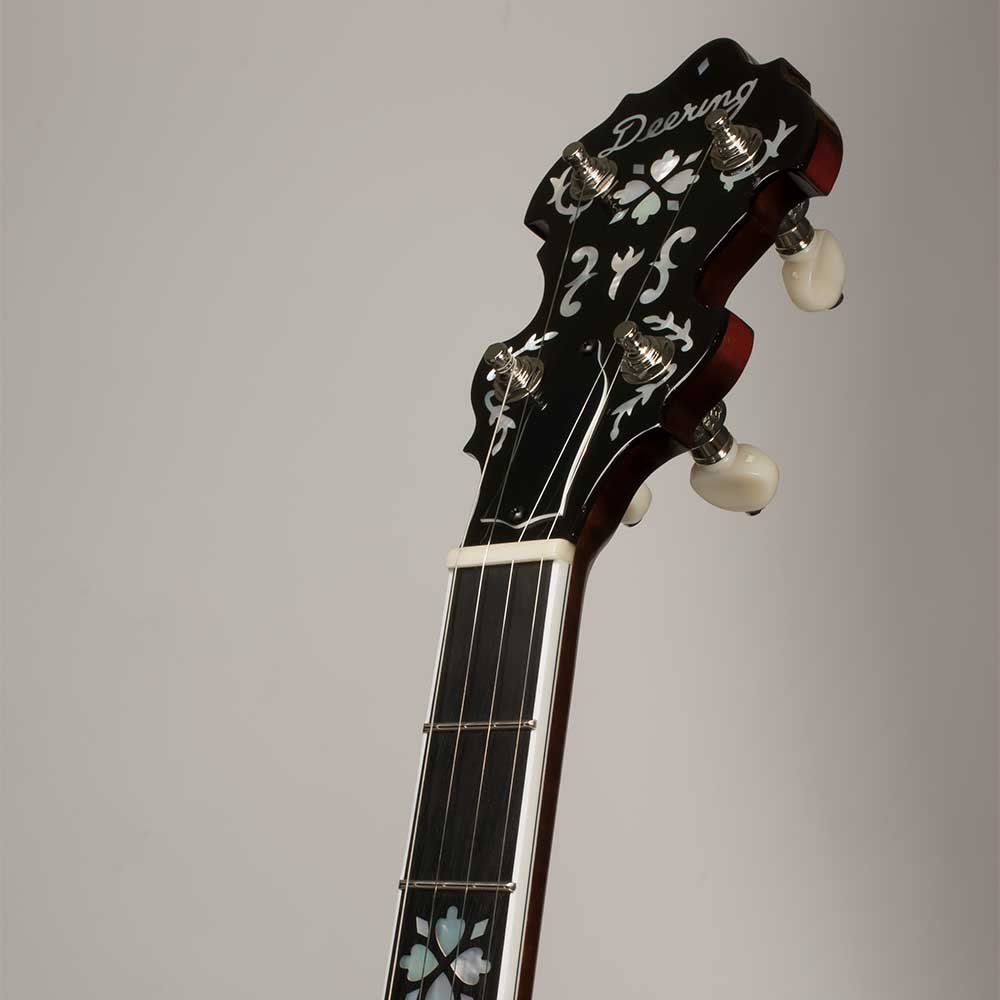
Adorned with a traditional hearts & flowers inlay pattern, this banjo has the appearance and feel of the prized banjos from the 1930's. It is designed to produce the most sought-after sound, a sound previously only achieved by five-string banjos of the pre-war era.
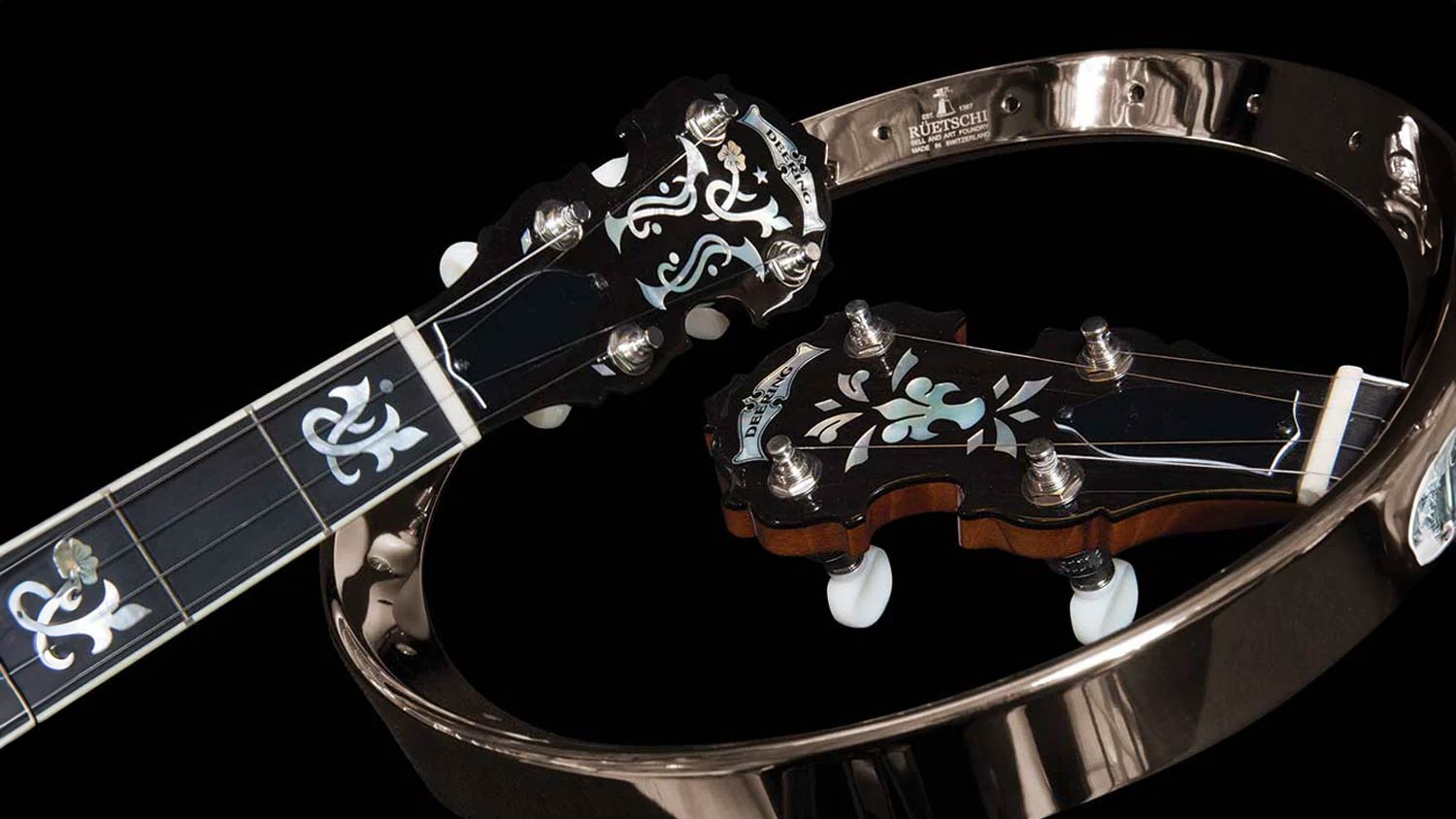
This beautiful banjo has a Genuine Deering -06- 20-hole bell bronze tone ring. The drum assembly and neck shape are designed for the traditional crisp and strong bass notes as well as the distinct, clear high tones of the cherished bluegrass sound.
The Golden Era is more than just an instrument—it's your ticket to authentic bluegrass bliss. With its time-honored construction, legendary tone ring, and stunning vintage aesthetics, this banjo bridges the gap between nostalgia and modern playability.

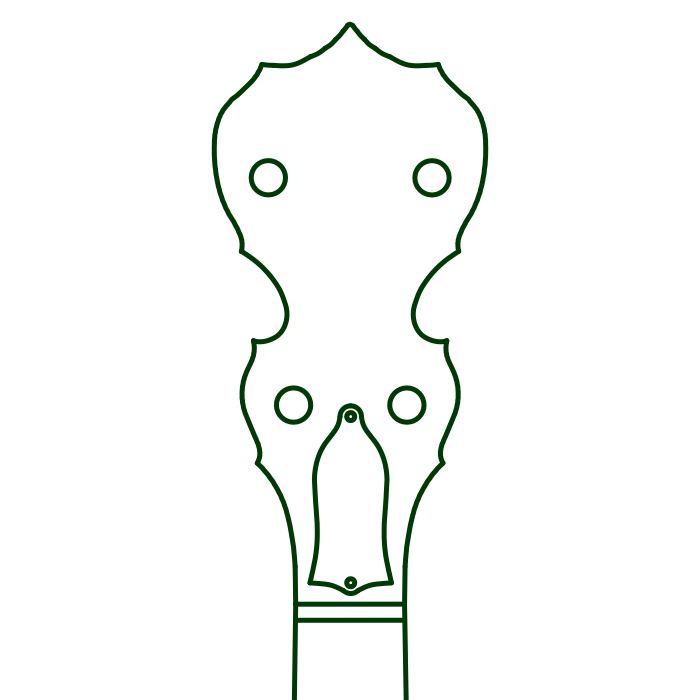
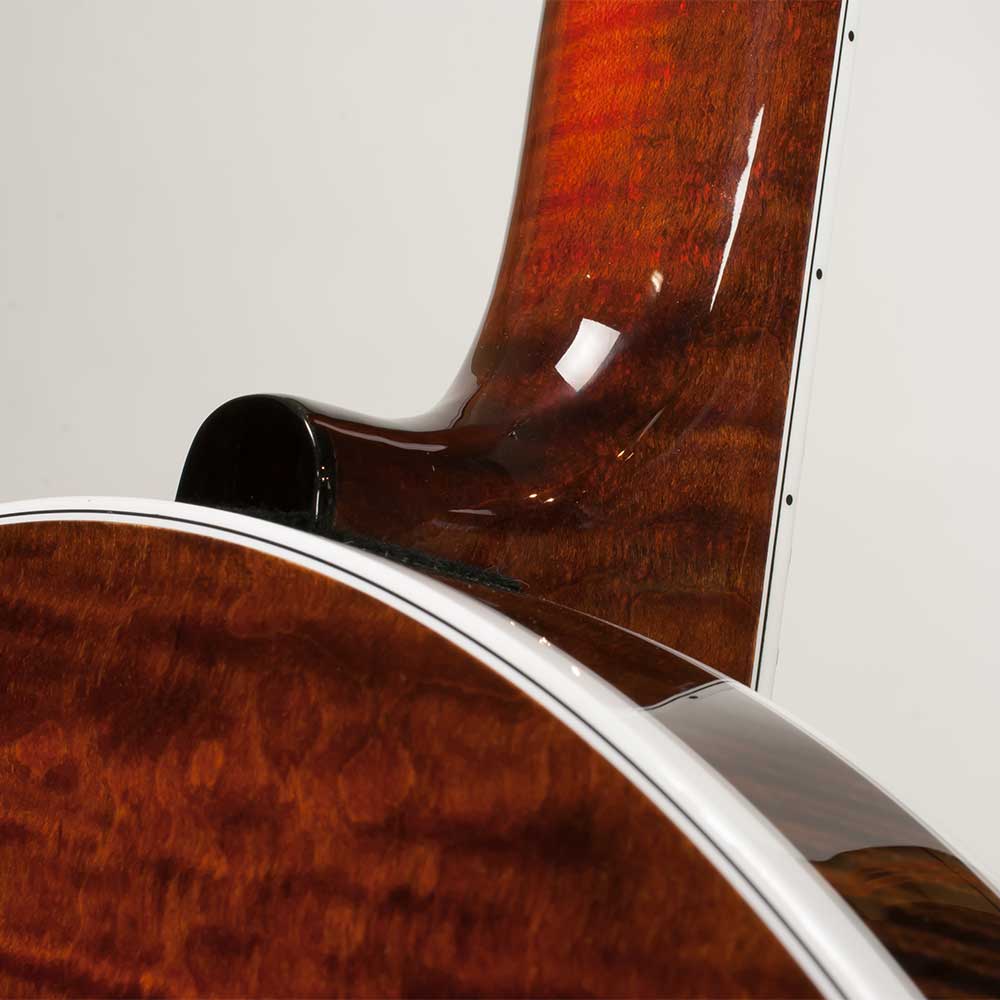
Neck Wood: Quartersawn AA Grade Curly Maple
Neck Shape: Traditional "U" Shape
Stain: Cremona Sunburst
Finish: High Gloss
Nut Material: Bone
Tuners: Deering Planetary Tuners
5th String Tuner: Deering Gotoh Geared 5th String Tuner
Frets: 22 Glued In Nickel Silver Frets
Fingerboard: A Grade Ebony
Inlays: Traditional Mother of Pearl Hearts & Flowers in Fingerboard, and Peghead with Golden Era Name Plaque at 21st Fret
5th String Spikes:
Rim: 3-Ply Violin Grade Maple
Rim Diameter: 11"
Tone Ring: Deering -06- 20 Hole Bell Bronze Tone Ring
Head: 11" Top Frosted Medium Crown
Tension Hoop: Notched Brass Tension Hoop
Hooks & Nuts: 24 Round J-Hooks and 1/4″ Hex Nuts
Flange: Traditional Style Zinc Flange
Armrest: Deering Armrest
Hardware Plating: Nickel
Bridge: 5/8" Deering Smile Bridge
Tailpiece: Deering True Tone Tailpiece
Finish: Hand Finished Satin Polyurethane
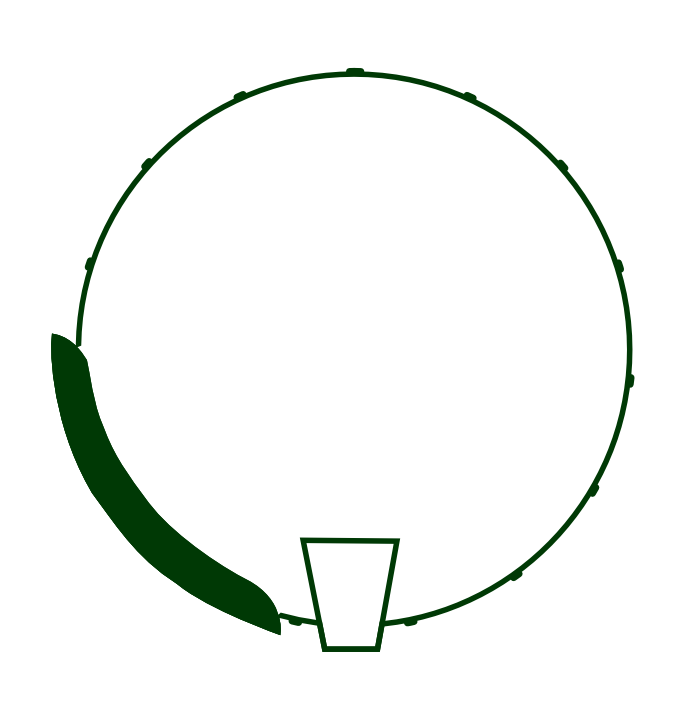

Resonator Wood: 3-Ply Poplar/Poplar/Curly Maple
Resonator Finish: High Gloss
Resonator Sidewalls: Tapered
Resonator Diameter: 13 7/8"
Resonator Stain: Cremona Sunburst
Neck Width at the Nut: 1 1/4"
Scale Length Nut to Bridge: 26 1/4"
Rim Diameter: 11"
Overall Instrument Length: 38"
Weight Approx.: 11 lbs


The trust and pride we share in our product gives us the confidence to grant every owner of a Deering banjo a lifetime warranty ensuring thequality of our materials and workmanship.
Click below for more information
Comes strung with Deering Light Gauge Strings
Comes tuned: G, D, G, B, D
Can easily be tuned in other tunings as well.
Comes with a hardshell case.
NB: Due to current supply constraints, case brand may vary.


